

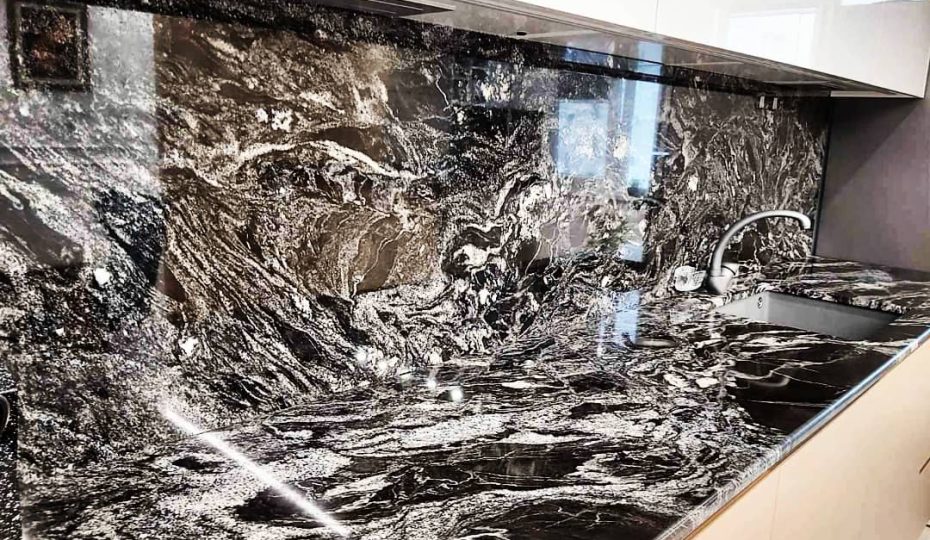
Marble has long been associated with luxury, craftsmanship, and enduring beauty. From classical architecture to modern interiors, this natural stone continues to be a preferred choice for homeowners and designers who want to create a kitchen that feels both refined and timeless. When used thoughtfully, marble can transform an ordinary kitchen into a sophisticated and inviting space.
One of the most compelling reasons to choose marble is its unique aesthetic. No two slabs are the same—each piece carries its own veining, patterns, and subtle color variations. Whether you opt for the soft, flowing veins of Carrara, the bold contrast of Calacatta, or the dramatic depth of Nero Marquina, marble adds a level of character that engineered materials often struggle to replicate. This natural variation creates a sense of authenticity and exclusivity in kitchen design.
Beyond its visual appeal, marble also offers practical benefits. It is naturally heat-resistant, making it suitable for areas around cooktops and ovens. Bakers, in particular, appreciate marble countertops for their cool surface, which is ideal for working with dough and pastry. When properly sealed and maintained, marble can serve as a durable and functional work surface for everyday kitchen use.
However, it’s important to understand that marble is a living material. It is more porous than some engineered stones, which means it can be susceptible to staining and etching from acidic substances like lemon juice, vinegar, or wine. This doesn’t make marble impractical—it simply requires a mindful approach. Regular sealing, prompt cleaning of spills, and using cutting boards or trays can significantly extend its lifespan and preserve its appearance.
In terms of design, marble is incredibly versatile. It works beautifully in both classic and contemporary kitchens. In traditional settings, marble pairs well with detailed cabinetry, warm wood tones, and brass or gold fixtures, creating a rich and elegant atmosphere. In modern kitchens, it can be used to achieve a clean and minimal look, especially when combined with flat-panel cabinets and neutral color palettes. A popular trend is the use of full-height marble backsplashes or waterfall islands, where the stone continues seamlessly from countertop to vertical surfaces, emphasizing its natural beauty.
Lighting also plays a crucial role in showcasing marble. Natural light enhances its depth and veining, while well-placed artificial lighting can highlight its texture and create a warm, inviting ambiance. Choosing the right finish—polished for a glossy, reflective surface or honed for a softer, matte look—can further influence the overall feel of the space.
For those who love the look of marble but are concerned about maintenance, combining it with other materials can be a smart solution. For example, you can use marble on a kitchen island as a focal point, while opting for more resistant surfaces like engineered stone for high-traffic work areas. This approach balances beauty and practicality without compromising on style.
Ultimately, using marble in kitchen design is about embracing both elegance and authenticity. It’s a material that tells a story, evolves over time, and adds a sense of permanence to your home. With the right care and design approach, marble can remain a stunning centerpiece in your kitchen for years to come—proving that true style is, indeed, timeless.